
Introduction
I have seen how people connect to the internet change a lot over the years. From mobile connections to high‑speed wireless networks technology keeps making communication faster and easier. One of the changes in this area is 5G.
But what exactly is 5G and how does it work? it is the generation of mobile network technology. it is built to give speeds, lower latency, more network capacity and better support for all kinds of connected devices.
Unlike generations it is not only about smartphones. it can power homes, connected cars, industrial machines, smart cities, Internet of Things devices, cloud applications and many other modern technologies.
In this article I will explain what it is and how it works highlight the benefits of 5G show how it can be used and answer the most common questions, about this exciting new technology.
What Is 5G?
5G stands for the generation of mobile network technology. it is what comes after 4G LTE. People built it to make communication much faster and more reliable.
The main goal of 5G is not just to make mobile internet faster. it is also made to lower communication delays. it can help more devices work at the time. it also provides a base, for new digital services.
For users it can make things better. it helps when you are streaming videos or downloading files. it makes browsing websites making video calls and playing games much smoother.
For businesses it can open up doors. it can change how things work in manufacturing, transportation, healthcare, retail and other industries.
How Does 5G Work?
A lot of people ask me how does 5G work? The basic way it works is actually pretty similar to the mobile networks we used to use.
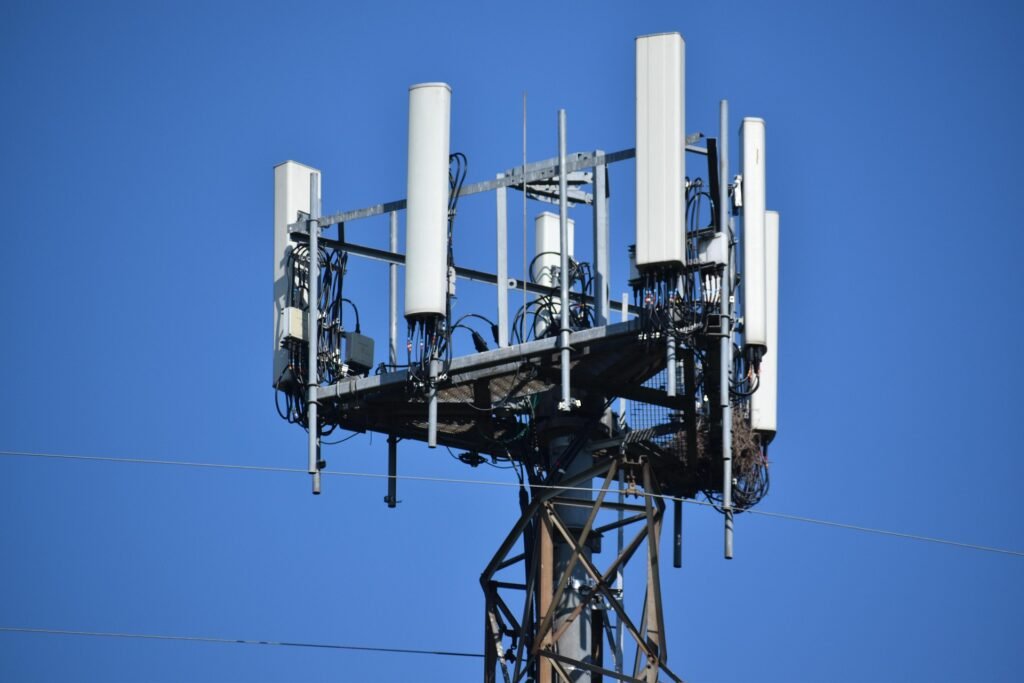
Your smartphone. Receives information by using radio waves. When you open a website or start to stream a video your smartphone talks, to a 5G base station. That base station then connects your smartphone to the mobile network and the internet.
These networks use a few new technologies to make communication work much better and faster.
Massive MIMO
Massive MIMO stands for Multiple Input, Multiple Output. I find it fascinating how Massive MIMO allows a base station to use antennas to communicate with many devices at the same time.
Beamforming
Another important technology is beamforming. Than spreading signals equally in every direction the network can focus signals, toward specific devices.
Beamforming can improve quality and reduce interference creating a better wireless experience. I find that this improvement makes my wireless experience much smoother.
Major Benefits of 5G
Faster Internet Speed
I think one of the advantages of 5G is that mobile internet becomes faster. With a 5G connection downloading large files and streaming high‑quality videos is much quicker.
Lower Latency
Latency means the time gap that occurs when you send data and wait for a reply.
it is built to give lower latency compared to older mobile technologies. Because of this lower latency, online gaming, video calls, cloud apps, virtual reality and other interactive services feel more instant.
Greater Network Capacity
Modern cities have millions of devices. Smartphones, watches, cameras, vehicles, sensors and other devices all require network connectivity. I see that many devices need a connection.
5G technology is designed to handle a larger number of connections helping networks manage crowded environments more efficiently. I notice that 5G technology can keep up with environments.
Better IoT Connectivity
The Internet of Things links objects to the internet.
Smart appliances, security cameras, industrial sensors, wearable devices and connected vehicles all can gain from wireless connectivity.
it can give a base, for large-scale Internet of Things systems.
Improved Online Gaming
Online gaming needs a responsive connection. I have noticed that lower latency can reduce the delay, between a players action and what appears on the screen.
When you use cloud gaming services a strong 5G connection can make the overall experience more enjoyable.
Better Video Streaming
High-resolution video needs a lot of bandwidth. It demands an amount of data transfer. This means that more pixels equal data. The network must handle that flow.
When the network is good it can help high-quality streaming feel smoother. The system can also cut down waiting times that come with loading video files. This gives a viewing experience.
Smart Cities
I think it can help cities connect sensors and devices.
These technologies could be used for traffic management, public transportation, street lighting, environmental monitoring and other smart‑city services.
Connected Vehicles
Connected cars can talk to cloud services and other systems to help with navigation, entertainment, diagnostics and other smart features.
As connected transportation grows it may become a part of the communication infrastructure.
New Business Opportunities
The benefits of 5G reach, beyond consumers. Businesses can use high‑speed, low‑latency connectivity to make their operations smoother and to create innovative services.
it can help factories, logistics companies, retailers and technology providers discover ways to use connected devices and automation.
Is 5G Safe?
Safety is another question that many people ask about 5G.
5G uses radio‑frequency signals just as earlier mobile networks have used. Wireless networks and devices that use them must follow rules and limits on exposure.
People should look to trusted health and regulatory organizations for information about technology instead of following unverified claims that they find online.
For consumers using approved devices and following the instructions, from manufacturers is an approach.
Common Questions About 5G
What does 5G stand for?
5G means the fifth generation of mobile network technology.
Is 5G faster than 4G?
5G is made to give speeds, than 4G but the real speed you get depends on the network, the device, your location and the spectrum that is available.
Do I need a new phone for 5G?
Yes. You usually need a smartphone with a device.
Does 5G replace Wi-Fi?
Not always. 5G and Wi-Fi have roles. 5G offers internet access whereas Wi-Fi is usually used for local wireless connections, in homes, offices, schools and companies.
Is 5G available everywhere?
No. Availability depends on the country the operator, the infrastructure and the specific location. Availability keeps expanding as networks develop.
The Future of 5G
I think the future of it looks very bright because it can do much more than just make smartphone internet faster.
As our networks get better it will become a help for smart cities, connected transportation, industrial automation, IoT, cloud computing and immersive digital experiences.
When we mix it with intelligence, edge computing and IoT we might see some really cool things happen. Devices can share data faster and businesses can build smarter systems that work better.
For people it could mean better digital experiences and faster services. We might even see apps that are hard to even think about right now.
The good things about it are not just, for one group. it can become a part of our whole digital world.
Final Thoughts
So what is 5G. How does it work? To put it simply it is the generation of mobile network technology. it is built to give us speeds, less lag, more room for data and better ways to stay connected.
From our smartphones and online gaming to homes, connected cars, IoT devices and big industries 5G technology is opening up so many cool new ways to live.
Even though network coverage and infrastructure are still different depending on where you live things are getting better every day. This means it is becoming more useful and easier for everyone to use.
The exciting part to me is that it is not just about having a faster internet connection. 5G is actually building a base for a future where everything is linked together. In this future devices, people, businesses and digital services can all talk to each other better.
As people keep finding ways to improve things it has the power to make our everyday technology faster, smarter and much easier to use for millions of people all, over the world.