The display is an essential element when choosing a TV, monitor, laptop, or smartphone. You have probably heard of such technologies as OLED vs LED many times, but what is the meaning behind them? The main question is which one is better for you.
The choice between LED vs OLED is becoming more and more popular among modern technologies of screens development. These two technologies are able to offer you high-quality picture, bright and beautiful colors, as well as high-quality images. But these technologies operate very differently OLED vs LED .
Knowing the difference between OLED vs LED technologies will help you to make a wise decision before buying a new screen. OLED technology is renowned by deep blacks, great contrast, fast response time, and wide angle view. The LED technology stays popular due to high brightness, low cost, great availability, and good performance.
In this article, we are going to tell about the OLED vs LED technologies, compare their differences, talk about advantages and disadvantages, and help you choose the right display for you.
What Is LED?
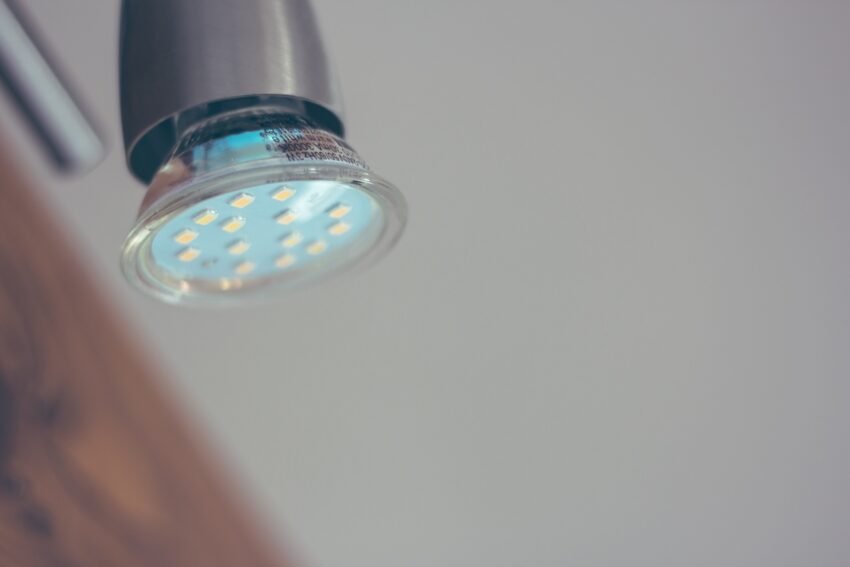
The meaning of LED is Light Emitting Diode. But when it comes to LED TV or LED monitor, it refers to an LCD screen with an LED backlight system.
Here, the image is formed by the LCD panel, whereas the LED backlight system supplies the light required to see the image clearly.
LED displays are further categorized into various forms such as edge lit and full-array type. Moreover, some high-end LED screens have a local dimming system through which certain areas of the backlight system can be made brighter or darker based on the content of the screen.
This technology is widely used owing to its low cost and high brightness level.
OLED vs LED
Main advantages of LED include:
- Very bright
- Low cost
- Large size availability
- Very energy-efficient
- Long life expectancy
- High availability
- Good performance even in bright environments
- Does not have the OLED burn-in problem
For these reasons, LED is still a great choice for consumers.
What Is OLED?
The OLED acronym means Organic Light-Emitting Diode. In contrast to ordinary LED screens, OLED screens do not have an extra backlight.
The light emission occurs from each pixel independently. Thus, it is possible to turn pixels off entirely when they have to render black.
Here we can point out some features that OLED screens have because of their self-emissive nature:
Deep blacks
High contrast
High-speed reactions
Wide viewing angles
Slim design
Good color representation
It is one of the key factors why OLED displays have gained popularity.
OLED vs LED: The Key Differences
| Feature | OLED | LED |
| Backlight | Not required | Required |
| Black levels | Very good | Good to very good |
| Contrast | very good | good to excellent |
| Response time | Very fast | Generally slower |
| Viewing angle | Very good | varies |
| Brightness | Very good | Generally brighter |
| Screen depth | Very thin | Generally thick |
| Burn-in risk | Some chance | Very less likely |
| Cost | More expensive | Less expensive |
Picture Quality
Quality of picture is one of the main differences between OLED vs LED technologies.
The pixels of the OLED screen can turn off, resulting in really black blacks. For instance, when you have a scene with a dark sky, the pixels that depict the black part do not emit light but just turn off.
There is always a backlight in LED screens, and so some blacks might look grayish.
OLED vs LED
Contrast
Contrast refers to the range between the darkest and the brightest areas of an image.
There is one key feature about OLED that makes it superior as its pixels can be switched on and off individually, which leads to the creation of really deep blacks and excellent contrastOLED vs LED .
LED monitors with the best local dimming can create high contrast too but usually cannot compete with OLED.
Brightness
There is the area in which LED display could have an upper hand.
Many of the best LED and Mini-LED displays can achieve high brightness making them ideal for brighter rooms and HDR content.
The OLED displays have also improved a lot over the years. The newest OLED panels can become quite bright. Still, according to the model, LED could offer some advantage in the aspect of sustained full-screen brightness.
If you have lots of daylight coming into your room, consider getting bright LED or Mini-LED display.
Winner: LED for sustained brightness
Viewing Angles
The colors and contrast will typically stay the same even if you view the OLED screen at an angle.
It is one of the reasons why OLED is especially good for a living room when several people can watch TV from different positions.
The viewing angle depends a lot on the technology used to manufacture the panel.
Some LED screens boast great viewing angles while others will show noticeable changes in color and contrast if viewed at an angle.
Winner: OLED
Response Time and gaming
When it comes to gaming, response time is crucial.
The pixels of OLED screens can switch states rapidly which can lead to less motion blur.
Therefore, OLED monitors are especially interesting for competitive gamers since every fraction of a second is important.
There are some LED gaming monitors which can also perform really well especially those that have high refresh rates and response times.
Winner: OLED
Burn In
Burn-in is one of the issues which you should consider when comparing OLED and LED displays.
It is the phenomenon when OLED pixels have a permanent image retention if they are exposed to static elements for a very long time.
It is called the OLED burn-in and such things like displaying the same logo, news ticker, HUD, or user interface for many hours every day can increase the risk.
There is no OLED burn-in on LED screens.
Modern OLED devices have the technologies which can minimize the issue for regular usage but users who use static images for many hours every day may want to choose LED instead of OLED.
Winner: LED
Thickness and Design
OLED technology allows you to produce thin screens since there is no backlight behind the display.
As a result, you will be able to get thin TVs, laptops, and smartphones.
LED screens require backlighting and that’s why they tend to be a bit thicker.
Winner: OLED
PRICE
There is another difference between OLED and LED displays – price.
Traditionally, OLED screens are targeted at the premium segment of the market and their prices are still higher than the prices of LED models.
The LED displays can be found at any price point from very cheap ones to premium Mini-LED models.
If you are on a tight budget, it is better to go with LED screens.
Winner: LED
OLED versus LED For Watching Movies and Streaming
In the event that you would like to watch movies and stream shows, OLED can make an exceptional choice.
Dark scenes in movies will immensely benefit from the fact that OLEDs create real blacks; stars may shine brightly against a real black background, and the shadows will have real depth.
Contrast in OLEDs can also add to a cinematic viewing experience.
Still, in bright rooms, a high-end Mini-LED panel can do an exceptional job at displaying HDR content.
Best for dark room movie watching: OLED
Best for very bright rooms: LED/Mini-LED
OLED vs LED for Gaming
OLED has several advantages that gamers should consider.
For instance, the very quick response time of an OLED display can ensure great picture quality, especially for fast-paced games. OLED gaming monitors with high refresh rates are currently available, thus being a good choice for PC and console gaming.
Nevertheless, if you spend many hours playing a game every day with the same HUD, then burn-in is something that you need to take into account.
LED gaming monitors can be a good alternative, especially if you need high refresh rates for less money.
OLED vs LED for Work
LED would serve well in cases where one is working with the computer to browse, read documents, write documents, or even do some programming.
If you are working with static windows throughout most of the day, then LED would serve well since there will be no risk of burn in that is a common problem with OLED vs LED .
OLED would also give you great text and contrast, but you need to choose according to your work.
Long Static Desktop Usage: LED
Productivity & Entertainment: OLED Can Be Great
OLED vs LED: Which One Uses Less Power?
The power required will depend on the particular model, the brightness level, the image being displayed, and the screen size.
OLED is highly efficient while showing dark images since the pixels showing black images will go off totally.
LED screens require backlight even for the dark images, although technology has made LED screens more efficient through local dimming.
Hence, there isn’t a universal winner.
What About Mini-LED?
The reason why Mini-LED should be noted is that it falls somewhere in the middle of the LED and OLED comparisons in numerous comparisons.
Mini-LED panels utilize thousands of much smaller LEDs that deliver improved backlighting and local dimming.
It could improve:
Contrast
HDR capabilities
Brightness
Black levels
Highlight details
Mini-LED still requires backlighting; therefore, it doesn’t provide pixel-level control like OLED. Still, it can provide extreme brightness without some problems of OLED vs LED .
So for numerous customers, it is a choice between Mini-LED and OLED rather than OLED and LED.
OLED vs LED: Advantages and Disadvantages
Advantages of OLED
Superior black levels
Incredible contrast
Great viewing angles
Super fast response times
Slim profiles
Excellent for movies
Great for gaming
High quality HDR performance
Disadvantages of OLED
Tend to be pricey
Risk of burn-in
Sustained brightness differs from model to model
Not good for use with static content
Advantages of LED
Typically cheaper
Good choices of brightness
Low risk of burn-in
Wide variety of sizes and prices
Great for rooms with bright lights
Long lasting value
Disadvantages of LED
Less superior black levels
Dependent on type of viewing angles
Backlighting causes blooming
Thick compared to OLED
Different response times from model to model
Which Display Should You Buy?
The winning side in the OLED vs LED displays contest would depend on what matters to you most.
Pick OLED in case:
You want maximum contrast.
You enjoy watching many movies and TV series.
You like playing games.
You want incredibly fast reaction times.
You care about wide viewing angles.
You are after sleek design.
You can afford a premium display.
Pick LED if:
You want to save money.
You need extreme brightness.
You use static images for a long time.
You fear burn-in.
Your room is very bright.
You want a big screen at a good price.
Consider Mini-LED in case:
You want maximum brightness.
You want better contrast than LED.
You watch HDR movies regularly.
You are not satisfied with OLED.
You are afraid of OLED burn-in.
Final Verdict: OLED vs LED Displays
In comparing OLED vs LED displays, none of the technologies suits everyone perfectly.
OLED is the ultimate choice for users who seek true black color, contrast, quick responses, and immersion. It works wonderfully in movies, gaming, and other forms of premium entertainment.
LED is still a highly practical solution because of its excellent brightness, affordability, durability, and wide range of models. LED screens could be preferable in brightly lit rooms, offices, and situations when a user seeks high value for money OLED vs LED .
In the end, the best screen doesn’t equal to the most advanced technology, but the display which would suit your room, content, usage habits, and budget perfectly OLED vs LED .
For those who seek the best possible picture and performance in games, OLED should definitely be considered. In case of preference of affordability, brightness, and lack of problems with long-term static use, LED or Mini-LED should be preferred.
1 thought on “OLED vs LED Displays: What Is the Difference? A Complete Guide”