Introduction
The Evolution of Smartphones is considered to be one of the most captivating evolutions in modern technologies. The small device, which was primarily used for calling and sending text messages only, turned out to be a powerful pocket computer.
Smartphones have altered the way people are communicating, working, shopping, learning, traveling, entertainment, etc. The evolution from 2G to 3G, 4G, and now to 5G technologies led to tremendous improvements in terms of performance, capabilities, speed, and connectivity evolution of smartphones.
The Evolution of Smartphones took many years to occur. This is because smartphones constantly evolved and progressed due to innovations made in mobile communication technologies, processors, screens, cameras, batteries, software, applications, etc.
The 2G Era: The Foundation of Mobile Communication
The Evolution of Smartphones starts with the creation of digital cellular systems. Second generation, or 2G technology brought the world digital communication and greatly increased possibilities compared to older networks.
One of the main strengths of 2G was the creation and implementation of SMS messaging technology. People stopped calling every time they wanted to communicate and started writing short text messages through their cell phones.
SMS messages completely revolutionized the way people communicated. It became quick, inexpensive and easy to exchange text messages without having to make calls all the time.evolution of smartphones
In this period of the Evolution of Smartphones phones were not complex devices. They were equipped with small displays, limited cameras and only basic internet technologies.
Nevertheless, 2G was the basis for everything that happened after.
3G Brought the Internet to Mobile Devices
The coming of 3G was a very important milestone in the Evolution of Smartphones.
As the data speeds increased on the mobiles, it was possible for users to make practical use of the internet on their phones. It became easy to connect to websites, emails, various online services, and even the first versions of social networks.
Thus, gradually, the usage of mobile phones began to shift from making voice calls and sending messages.
People could now visit websites, check their emails, download various applications, check online maps and make use of other digital services. Thus, the Evolution of Smartphones began to move from communication towards mobile computing.
3G allowed the creation of an increasing number of applications for smartphones. As the smartphones started becoming more powerful, the users also wanted to use them for performing more tasks.
This era was extremely important in terms of preparing the consumer base for the much faster mobile experience that was about to come with 4G.
4G: The Era of Fast Mobile Internet
Where 3G brought practical mobile internet into the picture, 4G gave it speed and made it enjoyable.
The emergence of 4G LTE has greatly enhanced mobile data speed and minimized latency, thus making way for services that would have been hard to access in the earlier networks.
Video streaming has become seamless. Social media has become more visual. Online gaming has become much easier.
The evolution of smartphones was greatly accelerated during the 4G era as the smartphones of this generation had enough computing capacity to make communication, entertainment, photography, productivity, and internet access possible in a single handheld device.
Application has also become more advanced.
The users could access food delivery services, book travel, shop online, control bank accounts, edit photos, watch movies, participate in video conferences, and connect with people worldwide through smartphones.
App Stores Changed What Smartphones Could Do
Yet another important milestone in the history of smartphones was the development of the mobile application ecosystem.
Instead of relying solely on the capabilities preloaded by a phone vendor, users began downloading applications that would help them with a particular task.
Thus, a vast digital economy arose.
There were applications for:
Social networking
Taking photos
Learning
Exercise
Shopping
Banking
Travelling
Entertainment
Running a business
Playing games
Communicating
Smartphones thus became fully customizable.
Two people might have had similar smartphones, yet they would use different applications, hence giving each phone a unique purpose.
Moreover, there were great benefits for the developers.
Individual developers and small companies could develop applications for all people around the globe.
Smartphone Cameras Became Powerful Photography Tools
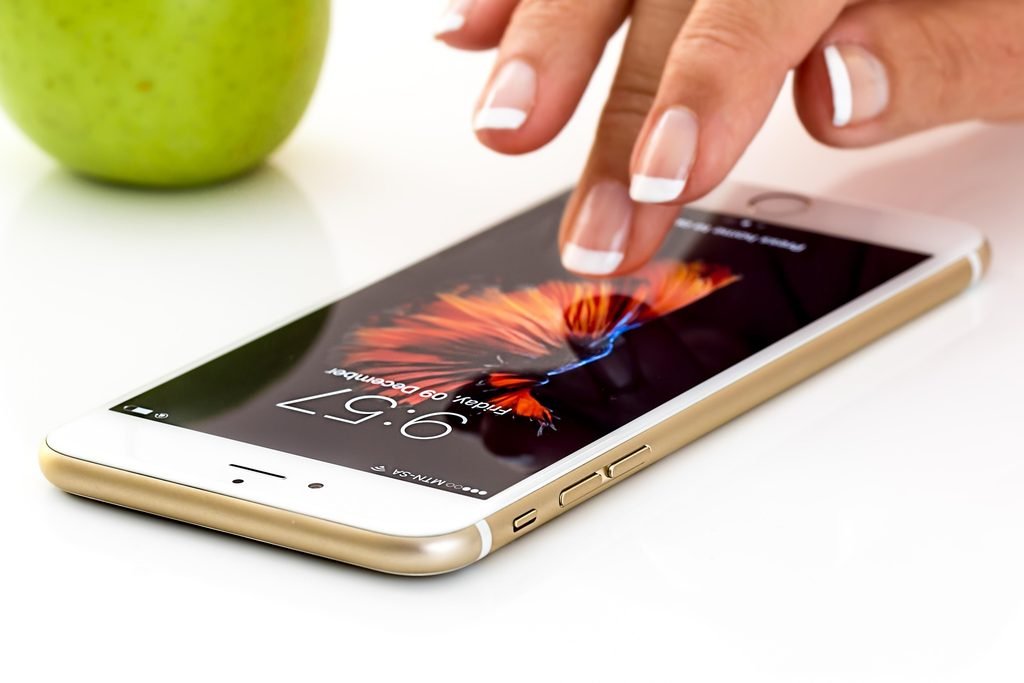
The camera is yet another feature of the smartphones that have evolved immensely.
Old mobile phones could only take low-quality pictures. In modern smartphones, one can even get high resolution images and videos that rival professional cameras in most scenarios.
Manufacturers started installing various types of cameras depending on different uses such as ultra-wide camera, wide camera, telephoto lens, etc.
The software side started playing an equally crucial role in the development process.
In the case of modern smartphones, one finds advanced software that enhances exposures, color, sharpness, portraits, nighttime photography, among others. There are such features as computational photography and artificial intelligence that makes taking great pictures without much technical knowledge possible.
In many people’s life, the smartphone has become a replacement of the camera.
5G Introduced a New Era of Connectivity
Introduction of 5G brought about another thrilling phase in the development of smartphones.
5G networks offer faster speeds, reduced latency and increased capacity than previous networks. The performance of users’ connection depends on several factors including the network, spectrum, device and user’s location.
However, the significance of 5G is not only about getting faster downloads.
Reduced latency and increased capacity can be used for applications such as connected devices, cloud gaming, augmented reality, virtual reality, smart infrastructure and industry.
In terms of smartphones, 5G may enhance responsiveness while performing resource intensive tasks online.
Streaming high-quality videos, downloading heavy files, conducting video conferences and working with cloud services could become easier with proper 5G coverage.
Smartphones Are Becoming AI-Powered Devices
The next step in the development of smartphones is associated with artificial intelligence to a greater extent.
Current smartphones can apply AI to such purposes as photography, voice recognition, translation, personalization, security, search, writing assistance, and other similar ones.
Artificial intelligence allows automatic object detection in images, their improvement and de-noising, language translation, summary creation, making apps more user-friendly and personalized.
The appearance of AI on a device is especially intriguing because of the ability of AI to perform certain operations right on the smartphone without any need to use external servers.
This may positively affect the responsiveness and functionality of apps in cases when internet access is not sufficient.
In the case of further development of mobile processors, AI is going to become more relevant.
How the Evolution of Smartphones Changed Everyday Life
The evolution of smartphones has impacted practically all aspects of modern existence.
Communication
There is an opportunity to communicate instantaneously through calls, text messaging, video conferencing, social media platforms, and collaboration software.
Entertainment
There is access to music, films, games, podcasts, short clips, and other digital entertainment options.
Work and Productivity
Employees are able to handle emails, attend video conferences, edit documents, communicate with co-workers, and access cloud computing solutions practically from any location.
Photography
The evolution of smartphones has made photography more available because there are high-quality cameras available in devices which everyone carries daily.
Shopping and Banking
Through mobile applications online shopping, digital payment systems, money transfers, and management of financial accounts have become much more convenient.
Education
There is an opportunity to access educational videos, online courses, digital libraries, language learning apps, and productivity software through smartphones.
From Simple Phones to Pocket-Sized Computers
One of the most obvious insights into the evolution of smartphones is how much the concept of a mobile phone has evolved.
A simple mobile phone has been initially created mostly for the purpose of communication.
However, today’s smartphones are capable to serve as:
camera
navigation system
gaming platform
music player
video player
digital wallet
personal assistant
workstation
communication center
learning platform
AI-powered software
Everything that has been mentioned above is contained in a pocket-sized device.
What Comes After 5G?
The evolution of smartphones is far from being completed.
In the future, the mobile technology may offer much faster networks, better AI, enhanced battery technology, better camera systems, enhanced security features, and better interaction with other connected devices.
Also, foldable and flexible display screens may appear to be more available and cheap in the future. However, at the same time, AI can make smartphones more proactive, making them capable of understanding the needs of users and helping them accomplish their routine tasks in a more efficient way.
In the future, smartphones can use cloud computing and edge computing in a better way, creating an integrated connection between the device itself, applications and online services.
The next-generation mobile network can follow this trend and pay attention not only to speed but also to reliability, intelligence, automation and connectivity of billions of devices.
Conclusion
Indeed, the evolution of smartphones starting from the 2G period and evolving up to the present-day 5G level is an extraordinary technological process. Every generation brought something valuable for the user from digital calling and messaging to mobile internet connection, high-speed Internet, advanced photographic functions, cloud computing, and even AI-based abilities.
What is truly amazing about this process is that smartphones keep developing further.
The modern smartphone device is much more advanced than any of the mobile phones created during the 2G period. And the technologies do not stop here, because the companies are already creating innovations that will make these devices even more intelligent, fast, helpful, and connected.
Starting from a simple instrument of communication, the evolution of smartphones has changed many aspects of human life including working, studying, shopping, traveling, entertainment, and others.